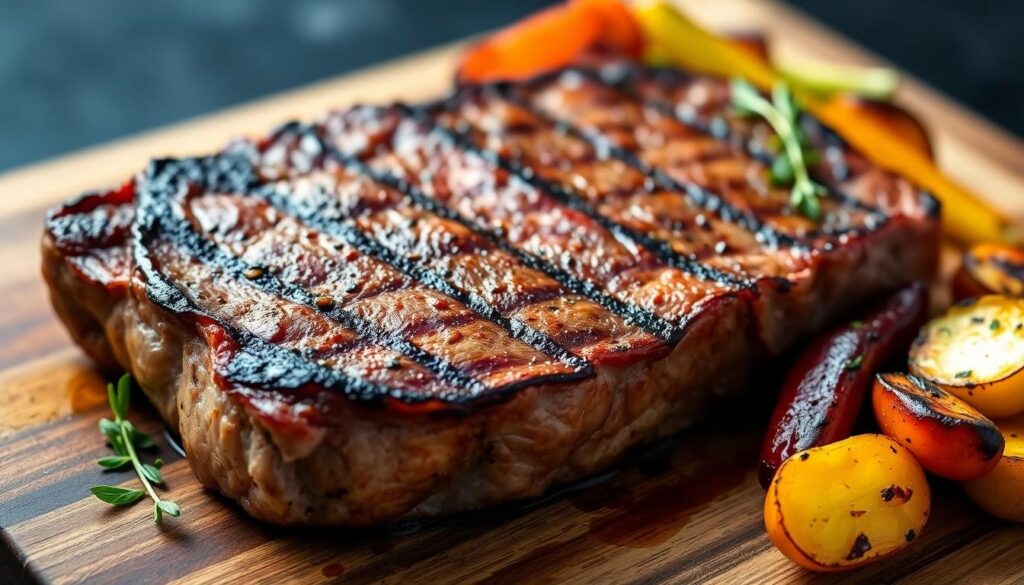
When it comes to steak, the rib eye reigns supreme, and for good reason. It’s not just a feast for the senses; it’s also packed with nutrients that can make any carnivore’s heart skip a beat. With its rich marbling and robust flavor, rib eye isn’t just a treat for the taste buds—it’s a powerhouse of protein, vitamins, and minerals.
But wait, there’s more! This cut of beef offers a delightful balance of fats, making it a go-to choice for those who appreciate a juicy bite without sacrificing nutrition. Whether grilled, pan-seared, or slow-cooked, rib eye brings more to the table than just deliciousness. Dive into the world of rib eye nutrition and discover how this savory steak can be a tasty part of a balanced diet. Who knew indulging could also be good for you?
Overview of Rib Eye Steak
Rib eye steak is renowned for its tenderness and rich flavor profile. This cut comes from the rib section of the cow, known for its excellent marbling. Marbling refers to the intramuscular fat that enhances the taste and juiciness of the meat.
Nutritionally, rib eye contains high protein content, averaging 22 grams per 3-ounce serving. Vitamin B12 stands out as a key nutrient in this steak, aiding in forming red blood cells and maintaining nerve function. Moreover, it provides essential minerals such as iron and zinc, crucial for immune health and energy production.
Fat content in rib eye varies, typically ranging from 20 to 30 grams per serving. This includes saturated fat, which some dietary guidelines suggest limiting. However, the presence of monounsaturated fats contributes positively to heart health when consumed in moderation.
Cooking methods vary widely for rib eye, including grilling, pan-searing, and roasting. Each method captures the steak’s natural juices, enhancing its flavor. Seasoning options can range from simple salt and pepper to more complex marinades.
Versatility remains a key attribute of rib eye. It can serve as the centerpiece of a meal or be sliced thin for use in tacos and sandwiches. Its rich taste appeals to many culinary preferences, making it a popular choice among steak lovers.
Nutritional Profile of Rib Eye

Rib eye steak offers a robust nutritional profile, making it an appealing option for meat enthusiasts. Its blend of macronutrients and micronutrients fuels a balanced diet.
Macronutrients
Rib eye contains significant amounts of macronutrients. A typical 3-ounce serving provides about 22 grams of protein, essential for muscle repair and growth. Fat content ranges between 20 to 30 grams. Saturated fat constitutes a portion of this, but monounsaturated fats offer heart health benefits. Carbohydrate content is negligible, making rib eye a suitable choice for low-carb diets.
Micronutrients
Rib eye is rich in vital micronutrients. Each serving supplies a substantial amount of Vitamin B12, crucial for red blood cell production and nerve health. Iron levels are also noteworthy, supporting oxygen transport in the body. Zinc and Selenium contribute to immune function, making rib eye a nutrient-dense meat option. Additionally, rib eye contains phosphorus, essential for bone health. This blend of vitamins and minerals fortifies rib eye’s place in a nutritious diet.
Health Benefits of Rib Eye Nutrition
Rib eye steak offers numerous health benefits, making it a popular choice among meat enthusiasts. Its rich combination of nutrients supports a balanced diet.
Protein Sources and Muscle Growth
High protein content significantly contributes to muscle growth and repair. A 3-ounce serving contains about 22 grams of protein, essential for maintaining muscle mass. Protein aids in recovery after workouts, making rib eye an excellent post-exercise option. Consuming this steak helps individuals meet their daily protein requirements efficiently. Furthermore, the amino acids present in rib eye support overall health, enhancing enzyme and hormone production. Regular consumption supports muscle-building endeavors while keeping taste and satisfaction in mind.
Essential Vitamins and Minerals
Rib eye steak is a powerhouse of essential vitamins and minerals. Notably, it provides substantial amounts of Vitamin B12, crucial for red blood cell formation and maintaining nerve health. Iron content plays a critical role in transporting oxygen within the body, preventing fatigue. Zinc contributes to immune function, promoting overall health, while selenium acts as an antioxidant, supporting cellular health. Phosphorus supports bone strength and energy production. Integrating rib eye into meals supplies vital nutrients, enhancing dietary quality.
Potential Concerns with Rib Eye Consumption
Rib eye steak offers numerous nutritional benefits but presents certain concerns regarding its consumption.
Saturated Fat Content
Saturated fat levels in rib eye range from 9 to 12 grams per 3-ounce serving. This fat type can elevate LDL cholesterol, increasing the risk of heart disease when consumed in excess. Regularly eating high saturated fat foods may lead to health issues. Moderation is essential, especially for individuals with existing heart conditions or high cholesterol levels. Choosing leaner cuts occasionally can help balance saturated fat intake while still enjoying rib eye’s rich flavor.
Cholesterol Levels
Cholesterol levels in rib eye can reach about 80 to 90 milligrams per serving. Diets high in cholesterol may impact heart health, particularly for those managing cholesterol-related issues. Regular monitoring of blood cholesterol levels is advised for individuals sensitive to high-cholesterol foods. Opting for a balanced diet with plenty of fruits and vegetables can mitigate some risks associated with cholesterol consumption. Rib eye can still be enjoyed as part of a varied diet, provided that intake is kept within recommended limits.
Cooking Methods and Their Impact on Nutrition
Cooking methods significantly influence the nutritional value of rib eye steak. Grilling often enhances flavor while allowing excess fat to drip away, which can reduce overall fat content. When rib eye is grilled, its natural juices concentrate, delivering a more intense taste.
Pan-searing also retains moisture but can cause the fat content to remain higher. This method involves cooking the steak in a hot pan, creating a flavorful crust and preserving many of the nutrients found in the meat. Seared rib eye benefits from Maillard reaction, adding to its rich taste.
Roasting provides another beneficial option, particularly for maintaining tenderness. This technique allows for even cooking and can create a delicious outer layer while keeping internal moisture intact. Nutrients like Vitamin B12 and iron remain largely preserved through roasting.
Sous-vide cooking has gained popularity for its ability to retain vitamins and minerals effectively. By sealing rib eye in a vacuum bag and cooking it slowly in water, nutrients remain intact, contributing to its health benefits. The precise temperature control ensures consistent doneness without losing flavor.
Consideration of added ingredients during cooking also impacts nutrition. Using marinades with herbs, spices, and healthy oils can enhance flavor without significantly increasing calorie content. However, excessive use of butter or oils can add unnecessary fats.
Each cooking method can change the rib eye’s nutritional profile, impacting dietary quality. Choosing healthier cooking techniques allows individuals to enjoy rib eye’s rich flavor while minimizing potential health concerns associated with higher fat content.
Conclusion
Rib eye steak stands out not only for its incredible flavor but also for its impressive nutritional profile. With a rich blend of protein vitamins and minerals it supports muscle growth and overall health. While enjoying rib eye in moderation is key due to its saturated fat and cholesterol content it can still be a delicious and nutritious addition to a balanced diet.
Different cooking methods can enhance its qualities making it versatile for various meals. Whether grilled pan-seared or roasted rib eye remains a favorite among meat enthusiasts. By being mindful of portion sizes and preparation techniques rib eye can be enjoyed as part of a healthy lifestyle.