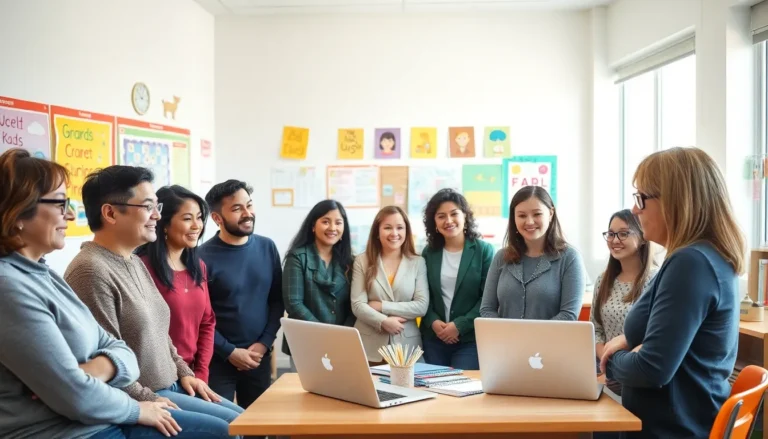
Effective parent-teacher communication is the backbone of a successful educational experience. When parents and teachers collaborate, they create a supportive environment that fosters student growth and achievement. This partnership not only enhances academic performance but also nurtures social and emotional development.
In today’s fast-paced world, maintaining open lines of communication is more crucial than ever. With various tools and platforms available, parents and teachers can connect easily, sharing insights and strategies that benefit the child’s learning journey. Understanding how to navigate these interactions can empower both parties and ultimately lead to a more enriching experience for students.
Importance Of Parent-Teacher Communication
Effective parent-teacher communication plays a crucial role in a child’s educational journey. This interaction establishes a solid foundation for collaboration and support.
Building Trust And Rapport
Building trust and rapport between parents and teachers fosters a positive relationship. Trust encourages open dialogue, allowing parents to share concerns and teachers to provide insights. Rapport develops when both parties actively engage, which enhances the understanding of a child’s needs. Regular communication, such as parent-teacher conferences and emails, strengthens this bond.
Enhancing Student Success
Enhancing student success hinges on consistent and constructive communication. When parents stay informed about their child’s progress, they can provide targeted support at home. Teachers benefit from insights into a child’s behavior and learning preferences, tailoring their approach accordingly. Research indicates that students whose parents are involved in their education perform better academically and exhibit improved social skills. Regular updates and feedback create a comprehensive support system, directly impacting a child’s overall success.
Effective Communication Strategies
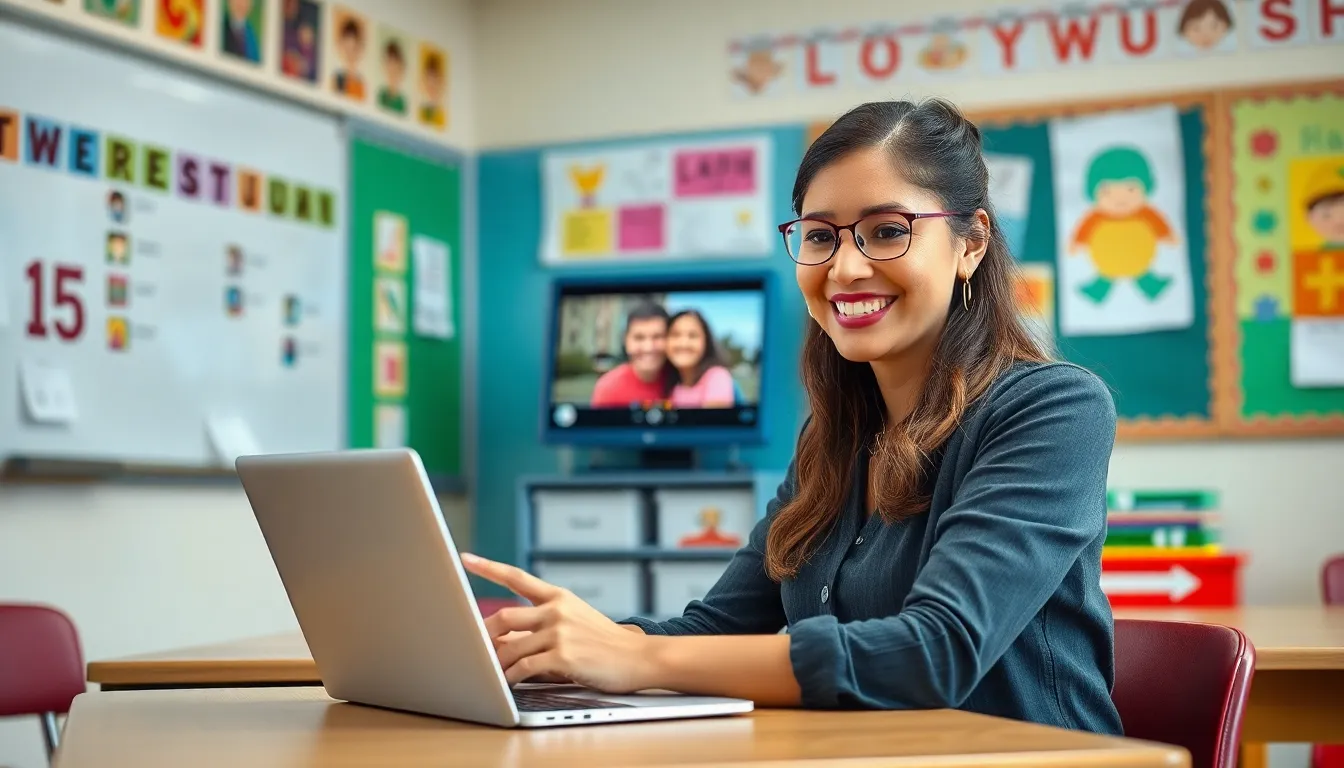
Effective communication between parents and teachers incorporates regular updates and the use of technology to enhance engagement and collaboration regarding a child’s education.
Regular Updates And Check-Ins
Regular updates maintain a continuous flow of information between parents and teachers. Scheduled check-ins, whether through emails, phone calls, or in-person meetings, provide opportunities to discuss a child’s academic progress and behavioral development. Teachers can share insights on classroom activities and performance, while parents can voice concerns and share observations from home. Consistent communication strengthens the partnership and enables both parties to align on strategies that support the child’s learning goals. Setting a routine for these updates, such as bi-weekly emails or monthly meetings, keeps everyone informed and involved.
Utilizing Technology In Communication
Utilizing technology enhances parent-teacher communication efficiency. Messaging apps, school management systems, and email allow for quick exchanges of information, helping parents stay informed about assignments, deadlines, and events. Online platforms, such as learning management systems, provide access to grades and progress reports, enabling parents to monitor their child’s work effectively. Video conferencing tools also facilitate virtual meetings, making it easier for parents to connect with teachers regardless of their schedules. Leveraging technology creates an accessible and responsive communication environment that supports students’ educational outcomes.
Barriers To Effective Communication
Barriers can hinder effective communication between parents and teachers, impacting the child’s educational experience. Understanding these barriers helps both parties to work towards enhanced collaboration.
Language And Cultural Differences
Language barriers pose significant challenges for effective communication. Parents who speak different languages may struggle to understand school communications or participate in discussions. Cultural differences can also affect interpretations of communication styles, leading to misunderstandings. Schools should provide translation services, bilingual staff, and culturally relevant resources to bridge these gaps. By applying inclusive practices, educators foster a welcoming environment that promotes clear communication.
Time Constraints And Availability
Time constraints affect many parents’ and teachers’ ability to communicate effectively. Busy schedules limit opportunities for face-to-face meetings or phone calls, creating delays in information exchange. Parents who work multiple jobs may find it difficult to attend school events or conferences. Schools can alleviate this issue by offering flexible communication options, such as after-hours meetings or virtual conferences. By accommodating various schedules, both parents and teachers can engage in meaningful conversations about a child’s progress and needs.
Best Practices For Parents
Parents play a crucial role in fostering effective communication with teachers. By staying informed and engaged, they can support their child’s educational journey in meaningful ways.
Being Informed And Engaged
Staying informed enables parents to understand their child’s academic progress and emotional well-being. Parents should regularly check school portals for updates on assignments, grades, and upcoming events. Participating in school activities also helps establish connections with teachers and staff. Attending parent-teacher conferences offers an opportunity for face-to-face discussions about a child’s needs and achievements. Furthermore, initiating communication through emails or phone calls allows parents to ask specific questions or express concerns, promoting a two-way dialogue that strengthens relationships.
Providing Constructive Feedback
Providing constructive feedback fosters collaboration between parents and teachers. Parents should share observations about their child’s strengths and challenges at home. Specific examples help teachers adjust instructional methods and offer targeted support. Encouraging feedback from teachers also benefits parents; understanding classroom dynamics can inform parenting strategies. Parents should communicate issues respectfully, emphasizing solutions rather than complaints, to cultivate a positive atmosphere. Continuous feedback reinforces a team approach, ensuring that both parents and teachers work toward common goals for the child’s success.
Best Practices For Teachers
Effective communication practices empower teachers to create strong partnerships with parents, enhancing the educational experience for students.
Open Lines Of Communication
Teachers maintain open lines of communication with parents by utilizing various methods. Regular updates via emails or newsletters inform parents about academic progress, upcoming events, and classroom activities. Scheduling routine check-ins, whether through phone calls or conferences, encourages ongoing discussions concerning students’ needs and performance. Using technology, such as messaging apps or school management systems, facilitates immediate communication and ensures parents stay informed. Prioritizing a courteous and approachable demeanor fosters a trusting environment, inviting parents to share concerns or insights about their children.
Personalizing Interactions
Teachers customize interactions with parents to strengthen relationships and address individual concerns. Understanding cultural backgrounds and unique family dynamics enhances communication effectiveness. Personalizing correspondence, such as using a parent’s name or referencing specific accomplishments of their child, conveys attention to detail and respect. Tailoring communication methods according to each parent’s preferences—whether via phone, email, or in-person meetings—improves engagement. Teachers also invite feedback to adjust strategies, showing commitment to collaboration. By acknowledging each family’s context, teachers can build rapport and create a supportive environment for students’ academic and emotional growth.
Effective parent-teacher communication is vital for fostering a supportive educational environment. By building trust and rapport, both parties can work together to enhance a child’s academic and emotional development. Utilizing various communication tools and strategies allows for meaningful interactions that can significantly impact a child’s learning journey.
Overcoming barriers such as language differences and time constraints is essential for maintaining this connection. When parents and teachers prioritize open dialogue, they create a collaborative atmosphere that ultimately benefits students. By focusing on constructive feedback and personalized communication, both parents and teachers can contribute to a child’s success, ensuring that every child receives the support they need to thrive.