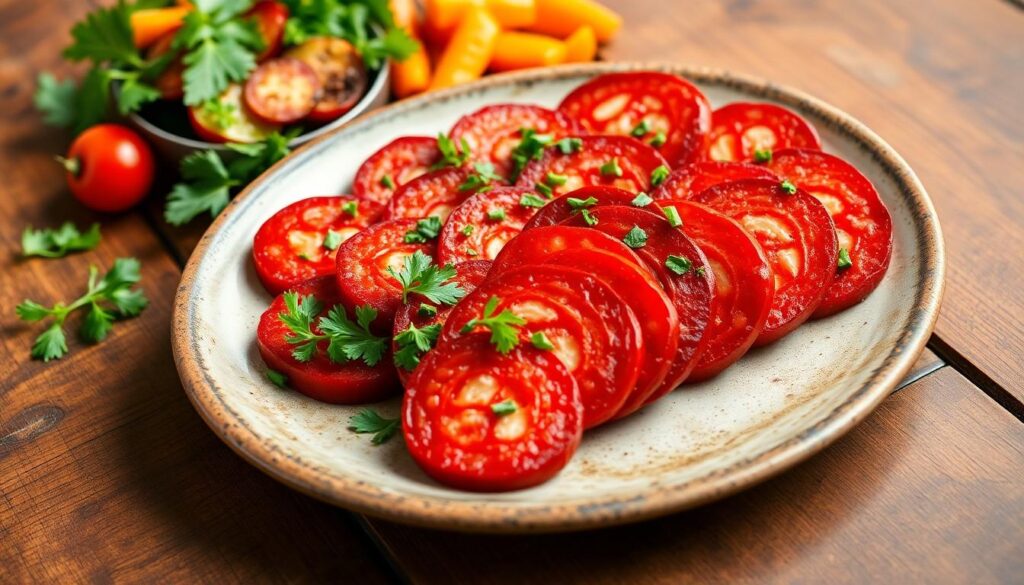
Chorizo: the spicy superstar that can turn a mundane meal into a fiesta! This beloved sausage packs a punch with its rich flavor and vibrant color, but what about its nutritional profile? Before diving headfirst into that sizzling skillet, it’s time to uncover the truth behind this culinary gem.
Chorizo Nutrition Overview
Chorizo contains a range of essential nutrients that contribute to its appeal. A typical serving size of approximately 100 grams provides about 400 calories, showcasing its energy-dense nature. Protein stands out in chorizo, delivering roughly 25 grams per serving, which supports muscle growth and repair.
Fat content represents a significant portion of the nutritional profile. Each 100 grams contains about 30 grams of fat, with a blend of saturated and unsaturated fats. This balance can vary between types of chorizo, with traditional versions often containing higher saturated fat levels.
Sodium levels in chorizo can be considerable, averaging around 1,500 milligrams per serving. High sodium consumption can lead to health issues, necessitating moderation for individuals managing blood pressure.
Vitamins and minerals also contribute to chorizo’s nutritional profile. Thiamine, niacin, and vitamin B12 help in energy metabolism and red blood cell formation. Significant amounts of zinc and selenium bolster immune function and antioxidant activity as well.
Chorizo includes no carbohydrates in its traditional forms. This characteristic appeals to low-carb and ketogenic diet followers. However, variations exist with added fillers that might slightly alter this figure.
Breaking down the ingredients, chorizo usually consists of pork, spices, and flavorings. Spices such as paprika provide distinct flavor and may offer antioxidant properties. Different brands and preparations can significantly impact overall nutritional values, highlighting the importance of label reading for informed dietary choices.
Nutritional Components of Chorizo

Chorizo brings vibrant flavors and significant nutritional benefits. This section details its key components.
Calories and Macronutrients
Chorizo is energy-dense, containing roughly 400 calories per 100 grams. Protein content is substantial, offering about 25 grams per serving, which aids muscle growth and repair. Fat makes up about 30 grams, including saturated and unsaturated types. Though chorizo is high in protein and fat, it lacks carbohydrates, making it appealing for low-carb diets. Serving sizes may vary, thus reading labels is important to determine precise values.
Vitamins and Minerals
Chorizo contributes essential vitamins and minerals necessary for overall health. Notably, it contains significant amounts of thiamine, niacin, vitamin B12, zinc, and selenium. These nutrients support energy metabolism and immune function. The presence of paprika provides antioxidant properties, enhancing overall nutritional value. Variations in preparation can affect these levels, so understanding ingredient sources is crucial for maximizing health benefits.
Health Benefits of Chorizo
Chorizo offers several health benefits, enhancing both flavor and nutrition. Its protein content plays a significant role in muscle maintenance and growth.
Protein Content and Muscle Building
Protein-rich foods like chorizo support muscle building effectively. Each serving provides approximately 25 grams of protein, making it a valuable option for those focused on strength and fitness. Regular consumption can lead to improved muscle recovery after intense workouts. Eating protein also promotes satiety, aiding in weight management. For athletes and active individuals, chorizo contributes to overall dietary protein intake, complementing other high-protein foods.
Potential Antioxidant Properties
Chorizo contains paprika, a spice known for its antioxidant properties. Antioxidants combat oxidative stress, which is linked to various chronic diseases. The presence of these compounds helps support the body’s defenses and promotes overall health. Consuming foods rich in antioxidants, like chorizo, can enhance immune function. It’s important to note that the type of paprika used can influence the antioxidant levels, with quality brands typically offering higher benefits.
Considerations for Consumption
Chorizo offers delicious flavors, but certain factors require attention.
Sodium and Fat Content
High sodium levels average 1,500 milligrams per 100 grams. Consuming excessive sodium can raise blood pressure, particularly for individuals with hypertension. Saturated fat content stands around 10 grams per serving, impacting cardiovascular health when intake exceeds recommended limits. Guidelines suggest keeping saturated fat to less than 10% of total calories. Chorizo includes approximately 30 grams of fat, with unsaturated fat types providing some health benefits. Moderation plays a crucial role in balancing the enjoyment of chorizo with maintaining a healthy diet.
Dietary Restrictions and Alternatives
Dietary restrictions warrant consideration when incorporating chorizo into meals. Individuals following low-carb or ketogenic diets appreciate traditional chorizo’s lack of carbohydrates. However, filler-containing variations may contribute unwanted carbs. People with sodium sensitivity need to evaluatechorizo options, as ready-made varieties can have significantly higher sodium levels. For meat alternatives, plant-based chorizo provides a viable substitute without compromising on flavor. Always check ingredient lists to ensure compliance with dietary needs and preferences.
Conclusion
Chorizo offers a unique blend of flavor and nutrition that can enhance a variety of dishes. Its high protein content makes it a great choice for those looking to support muscle growth and recovery. However, its significant sodium and fat levels mean moderation is key for maintaining overall health.
Choosing high-quality chorizo and paying attention to ingredient labels can maximize its health benefits while minimizing potential drawbacks. For those exploring alternatives, plant-based chorizo provides a flavorful option without the same health concerns. Ultimately, understanding chorizo’s nutritional profile allows for informed dietary choices that align with individual health goals.