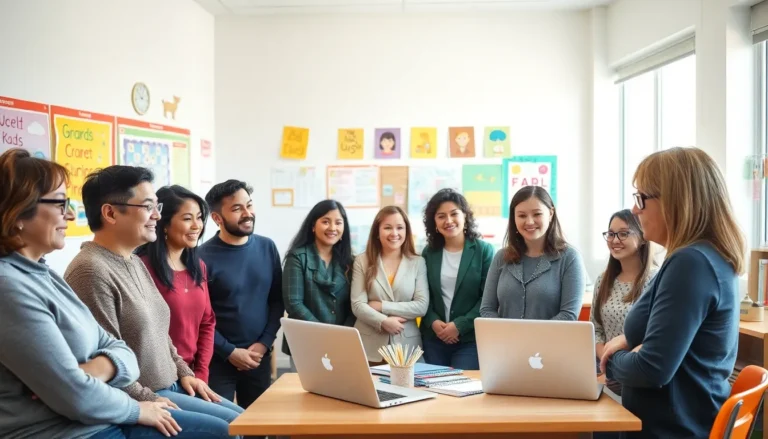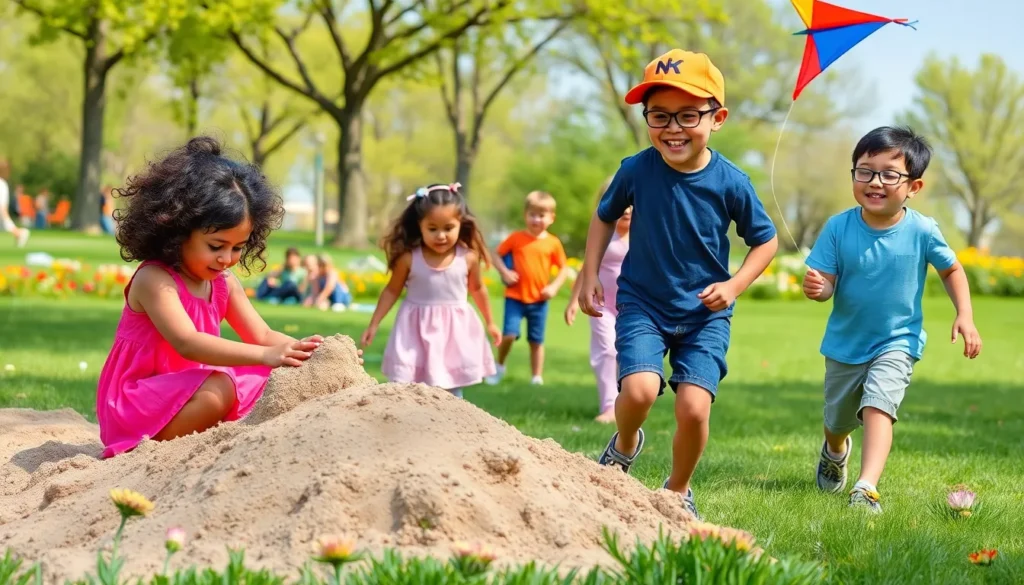
Child development is a fascinating journey that shapes who children become as adults. From the moment they’re born, kids undergo rapid changes, both physically and emotionally. Understanding this process is crucial for parents, educators, and caregivers who want to support healthy growth and learning.
Every stage of development presents unique challenges and milestones. Whether it’s mastering language skills or forming social connections, each aspect plays a vital role in a child’s overall well-being. By recognizing these stages, adults can create nurturing environments that foster curiosity and resilience, paving the way for lifelong success.
Overview of Child Development
Child development encompasses the physical, cognitive, emotional, and social changes occurring throughout a child’s life. These transformations unfold in stages, each marked by specific milestones.
Physical Development
Physical development involves growth in height, weight, and motor skills. Infants typically double their birth weight by six months and learn to roll over, sit up, and crawl by their first year. Toddlers refine gross motor skills by walking, running, and climbing. By age three, most children can navigate stairs and manipulate smaller objects with greater precision.
Cognitive Development
Cognitive development includes the progression of thinking and problem-solving skills. Infants start recognizing familiar faces and objects, while toddlers begin to explore cause-and-effect relationships. By preschool age, children develop language skills, leading to increased vocabulary and sentence construction abilities. They engage in imaginative play, which enhances creativity and cognitive flexibility.
Emotional Development
Emotional development reflects a child’s ability to understand and express their feelings. Infants exhibit attachment to caregivers, and by one year, they display a range of emotions such as joy, anger, and fear. As children grow, they learn to identify their emotions and those of others. Empathy begins to develop around age three, helping them form relationships with peers.
Social Development
Social development involves interactions with family, peers, and the broader community. Infants respond socially by smiling and babbling, establishing bonds with caregivers. Toddlers start mimicking behaviors and expressions from adults and peers, while preschoolers engage in cooperative play. By age five, children typically form friendships and learn to navigate group dynamics.
Recognizing these interconnected areas of development aids parents, educators, and caregivers in fostering environments that nurture children’s growth.
Key Stages of Child Development
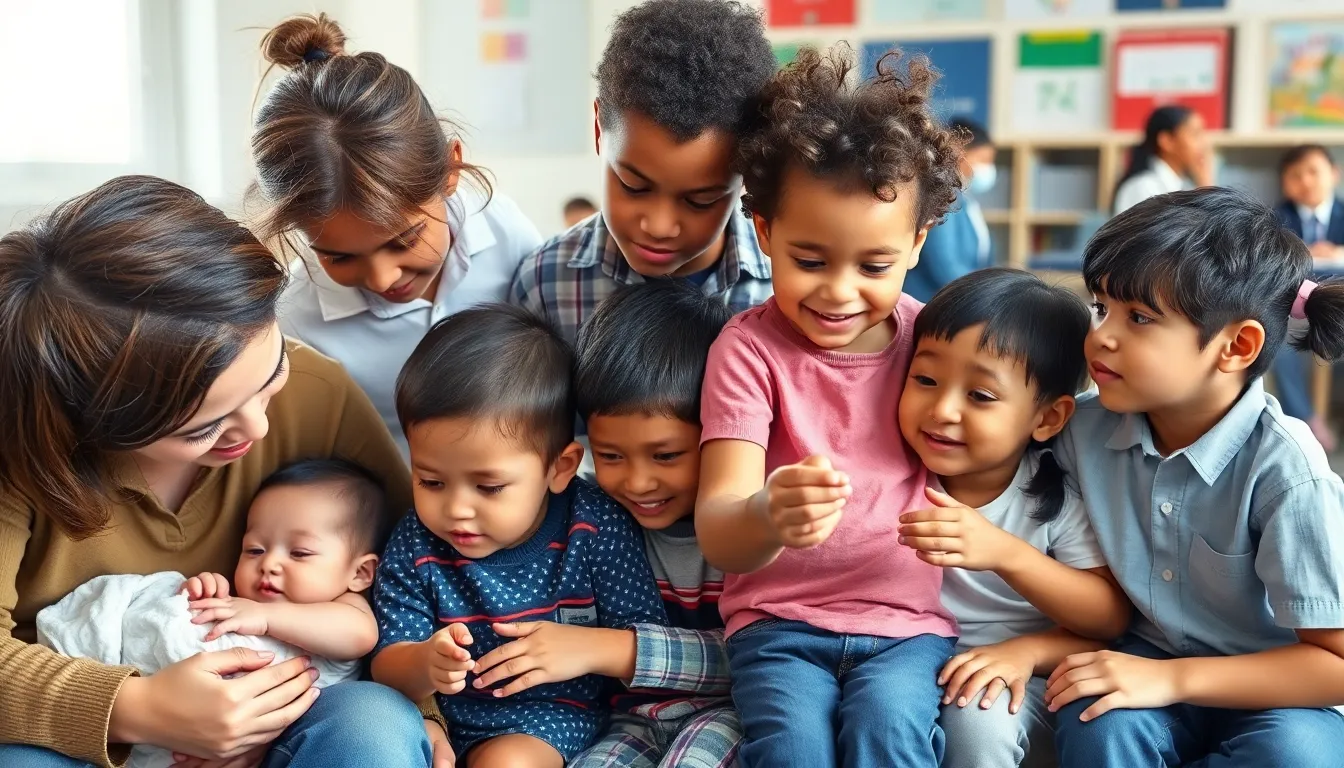
Child development occurs in progressive stages, each marked by significant physical, cognitive, emotional, and social changes. Understanding these stages supports effective guidance and care.
Infancy
Infancy lasts from birth to 12 months and involves rapid growth in physical and cognitive areas. Infants typically double their birth weight by six months, gaining strength for milestones like rolling over and sitting. Cognitive development includes recognizing faces and responding to sounds, while emotional development centers around forming attachments, usually to primary caregivers. By age one, many infants express basic emotions, such as joy and sadness.
Early Childhood
Early childhood spans ages one to six and features significant advancements in language and social skills. Children often expand their vocabulary, reaching around 1,500 words by age five. Fine and gross motor skills also progress, with most children able to run, jump, and draw shapes by age four. Emotional development focuses on understanding feelings and beginning empathy, with children learning to share and cooperate with peers.
Middle Childhood
Middle childhood ranges from age six to twelve, characterized by enhanced cognitive abilities and social interactions. Children develop critical thinking skills, understand rules, and engage in group activities. Physical development includes increased coordination and endurance, often observable in school sports or physical education. Socially, friendships become vital, with children forming connections based on shared interests and emotional support.
Adolescence
Adolescence occurs from ages twelve to eighteen and marks a time of profound change. Physical development includes puberty and significant hormonal changes that affect appearance and growth. Cognitive abilities advance, leading to abstract and critical thinking. Emotional development may involve identity exploration and independence from parental figures. Socially, adolescents navigate complex peer dynamics, often prioritizing friendships that shape their self-image and coping strategies.
Factors Influencing Child Development
Child development is influenced by multiple factors, each playing a critical role in shaping a child’s growth and well-being. Understanding these factors enables caregivers and educators to provide appropriate support throughout developmental stages.
Genetic Factors
Genetic factors significantly contribute to a child’s development, determining physical characteristics, as well as cognitive and emotional traits. Genes influence aspects such as height, weight, and susceptibility to certain health conditions. Research indicates that genetic predispositions can affect brain development, impacting cognitive abilities and emotional stability. For instance, children with a family history of learning disabilities may face challenges in acquiring academic skills, highlighting the importance of tailored educational strategies.
Environmental Factors
Environmental factors encompass the surroundings in which a child grows, including family dynamics, physical environment, and cultural context. A nurturing environment promotes secure attachments and emotional health, while adverse conditions, such as neglect or abuse, can hinder development. Access to safe outdoor spaces encourages physical activity, facilitating gross motor skill development. Educational opportunities stimulate cognitive growth, with quality early childhood programs fostering language, social, and problem-solving skills. The interaction of diverse environments creates unique developmental experiences for each child.
Socioeconomic Status
Socioeconomic status plays a pivotal role in child development, affecting access to resources and opportunities. Families with higher socioeconomic status often provide better access to healthcare, nutritious food, and educational resources. Studies show that children from lower socioeconomic backgrounds may face barriers that limit cognitive and emotional development, impacting academic success. Early intervention programs targeting these disparities can improve outcomes for disadvantaged children, promoting healthier development trajectories. Increased support and resources can bridge the gap, enabling all children to thrive regardless of their socioeconomic circumstances.
Importance of Early Intervention in Child Development
Early intervention plays a critical role in maximizing a child’s developmental potential. Providing timely support can significantly influence a child’s cognitive, emotional, and social growth, paving the way for improved outcomes in various domains.
Enhancing Cognitive Development
Early intervention strategies target cognitive skills. Specialized programs focus on language development and problem-solving abilities. For example, engaging children in interactive reading and play fosters language acquisition, leading to enhanced verbal skills. Research shows that children who receive early cognitive support exhibit greater academic success in later years.
Supporting Emotional Growth
Early intervention also nurtures emotional development. Programs that promote emotional regulation and social skills help children navigate feelings and relationships. Children exposed to supportive environments learn empathy and resilience, which are essential for healthy emotional maturation. Studies highlight that children who receive emotional support during formative years demonstrate better mental health in adolescence and adulthood.
Fostering Social Skills
Social development benefits from targeted early intervention strategies. Interventions encourage peer interactions and cooperation, essential for building friendships and social competence. Children engaged in group activities learn to navigate social dynamics effectively. Evidence suggests that those with early social support exhibit higher levels of social adeptness and fewer behavioral issues later in life.
Addressing Developmental Delays
Identifying and addressing developmental delays through early intervention results in significant improvements. Regular assessments help pinpoint areas of concern, allowing for tailored interventions. Early detection of issues such as speech delays or behavioral challenges enables prompt support, significantly reducing the risk of long-term difficulties. Statistics indicate that early intervention can lead to substantial improvements in developmental trajectories for children facing challenges.
Collaborative Efforts
Collaboration among parents, educators, and healthcare providers enhances the effectiveness of early intervention. Sharing insights and resources strengthens support networks, ensuring a comprehensive approach to child development. Multi-disciplinary teams can design and implement strategies that cater to individual needs, making interventions more effective.
By prioritizing early intervention, caregivers and professionals create nurturing pathways that contribute to children’s overall success. The positive effects ripple through a child’s educational journey and into adulthood, underscoring the importance of early support in fostering a brighter future.
Understanding child development is crucial for fostering a nurturing environment that supports growth. Each stage of development presents unique opportunities and challenges that influence a child’s future. By recognizing the interconnectedness of physical, cognitive, emotional, and social growth, caregivers can better address individual needs.
Early intervention plays a vital role in maximizing a child’s potential. Tailored strategies can significantly enhance developmental outcomes, ensuring children thrive regardless of their circumstances. Collaboration among parents, educators, and healthcare providers amplifies these efforts, creating a strong support system. Emphasizing the importance of these relationships can lead to healthier, more resilient children ready to face the world.