In a world increasingly focused on health and wellness, many are turning to juice alternatives to satisfy their cravings while cutting down on sugar and calories. Traditional fruit juices can pack a sugary punch, leading consumers to seek out options that are just as refreshing but less guilt-inducing. From flavorful herbal infusions to nutrient-dense smoothies, the choices are vast and varied.
Exploring juice alternatives not only opens the door to new tastes but also introduces a wealth of health benefits. Whether it’s a hydrating coconut water or a revitalizing vegetable blend, these alternatives can enhance hydration and provide essential vitamins. As more people embrace these options, it’s clear that the quest for delicious and nutritious beverages is just beginning.
Overview of Juice Alternatives
Juice alternatives offer a broad spectrum of choices for those reducing sugar and calorie intake. Herbal infusions, such as peppermint and chamomile, provide flavor without added sugars. These beverages often contain antioxidants, promoting overall wellness.
Nutrient-dense smoothies merge vegetables and fruits, creating nutritious drinks tailored to individual preferences. Ingredients like spinach, kale, and avocados enhance nutrient profiles, providing essential vitamins and minerals.
Coconut water stands out as a natural hydrating option, rich in electrolytes and lower in calories than traditional juices. Its refreshing taste appeals to many health-conscious consumers.
Vegetable juices, including beet and carrot juice, deliver essential nutrients while often containing lower sugar levels than fruit juices. These options cater to those seeking vibrant flavor alongside health benefits.
Plant-based milk alternatives, such as almond and oat milk, serve as versatile ingredients in smoothies or standalone beverages. They offer a creamy texture with less sugar than dairy and traditional juices.
Exploring these juice alternatives allows consumers to enjoy varied tastes and health benefits, enriching daily hydration habits.
Types of Juice Alternatives
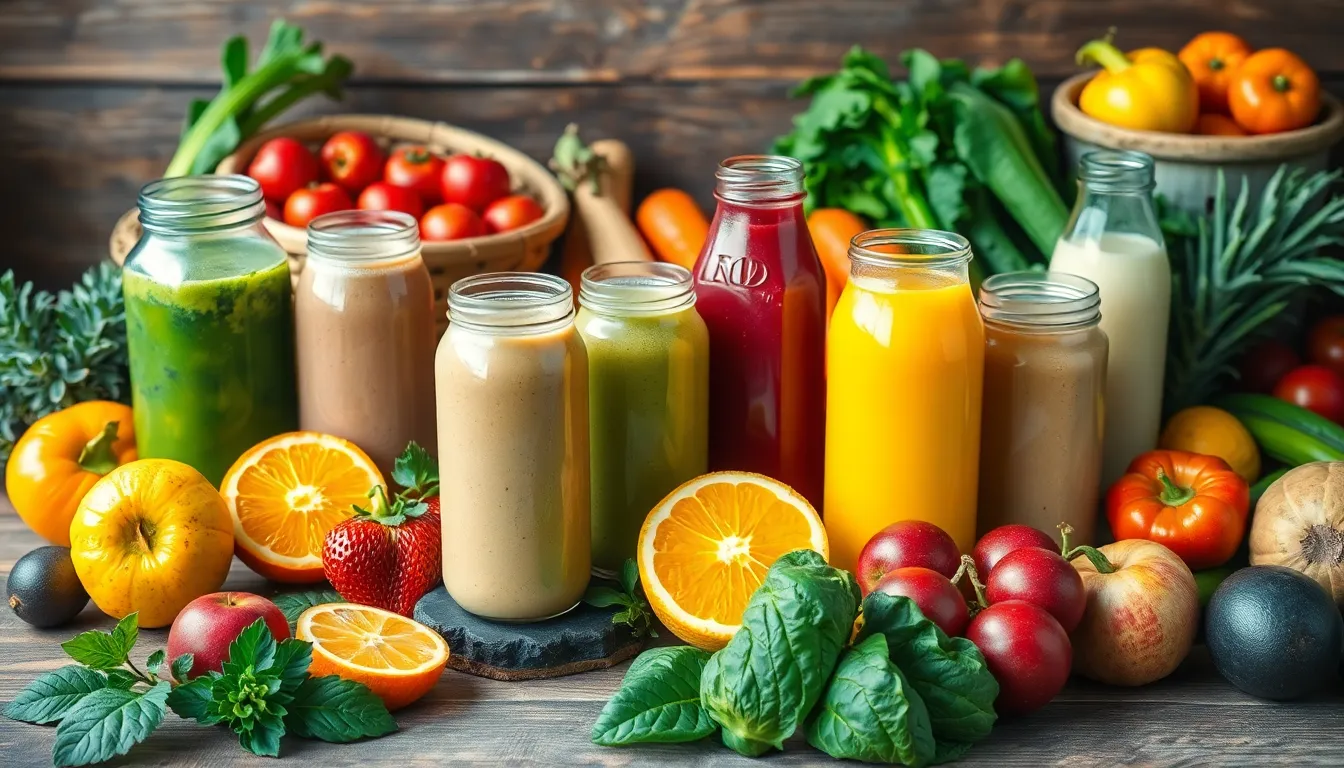
Juice alternatives come in various forms, each offering unique flavors and health benefits. These options cater to health-conscious individuals looking for refreshing beverages without excessive sugar or calories.
Plant-Based Juices
Plant-based juices focus on incorporating vegetables and herbs into refreshing drinks. Beet juice, rich in nitrates, supports cardiovascular health. Carrot juice, packed with beta-carotene, promotes eye health. Green juices often blend kale, spinach, and cucumber, providing a nutrient-dense option. These juices can enhance hydration and supply essential vitamins.
Smoothies
Smoothies serve as versatile juice alternatives, combining fruits, vegetables, and superfoods. Popular ingredients include spinach, banana, and chia seeds. Smoothies can be tailored to individual tastes and dietary needs. The blending process preserves fiber, aiding digestion. They often provide a satiating drink packed with proteins, healthy fats, and vitamins.
Nut Milks
Nut milks, such as almond and cashew milk, offer creamy, low-sugar alternatives for beverages and recipes. Almond milk contains vitamin E, an antioxidant that supports skin health. Cashew milk provides a rich, buttery flavor while being lower in calories. These milks can serve as bases for smoothies, coffee, or cereals, making them versatile options for various dietary preferences.
Health Benefits of Juice Alternatives
Juice alternatives offer numerous health benefits, making them an appealing choice for those seeking nutritious hydration options. These beverages often contain lower sugar levels and higher nutrient concentrations than traditional fruit juices.
Nutritional Comparison
Juice alternatives frequently provide a superior nutritional profile compared to standard juices.
| Beverage Type | Calories (per 8 oz) | Sugar (g) | Key Nutrients |
|---|---|---|---|
| Herbal Infusion | 0 | 0 | Antioxidants |
| Coconut Water | 46 | 6 | Electrolytes, potassium |
| Beet Juice | 50 | 9 | Folate, nitrates |
| Vegetable Juice (Carrot) | 50 | 9 | Vitamin A, beta-carotene |
| Almond Milk | 30-60 | 1-2 | Vitamin E, healthy fats |
Juice alternatives, such as herbal infusions, often contain no calories or sugar while still providing antioxidants. Coconut water delivers hydration due to its rich electrolyte content and lower calorie count. Beet and vegetable juices maintain essential nutrients like folate and vitamin A, promoting cardiovascular and eye health, respectively. Plant-based milk alternatives like almond milk serve as creamy, low-sugar options with added vitamin E.
Digestive Health
Juice alternatives contribute positively to digestive health.
- Herbal infusions, like peppermint and chamomile, promote digestive comfort and help alleviate bloating.
- Smoothies retain fiber from fruits and vegetables, supporting healthy digestion and maintaining gut regularity.
- Coconut water aids digestion due to its natural electrolytes, enhancing hydration and nutrient absorption.
Incorporating these alternatives into a daily routine promotes better digestive health and overall well-being.
Popular Juice Alternative Brands
Several brands specialize in providing juice alternatives that align with health-conscious consumer preferences. These brands focus on flavor, nutrition, and low sugar content to meet diverse dietary needs.
- Naked Juice
Naked Juice offers a range of smoothies and juices made from whole fruits and vegetables. They emphasize high nutritional value without added sugars, making their options a popular choice for health enthusiasts.
- Suja Organic
Suja Organic specializes in cold-pressed juices and smoothies. Their beverages feature organic ingredients, ensuring maximum nutrient retention while containing minimal added sugars. They provide various blends, including vegetable-forward options and fruit combos.
- Kirkland Signature
Kirkland Signature, available at Costco, features a line of organic juices and smoothies. Known for budget-friendly pricing, their options include nutrient-rich ingredients like kale and spinach, appealing for those looking for economical yet healthy choices.
- Coconut Grove
Coconut Grove provides coconut water beverages rich in electrolytes. Their products are acclaimed for natural hydration with lower calories than traditional juices.
- Health-Ade
Health-Ade specializes in kombucha, a fermented tea drink that offers probiotic benefits. Their versatile flavors not only refresh but also promote digestive health without the sugar content associated with many fruit juices.
- R.W. Knudsen Family
R.W. Knudsen Family offers organic and natural juice alternatives, including blends with no added sugars. Their dedication to quality fruits and vegetables results in flavorful options that maintain essential nutrients.
These brands exemplify the growing market for juice alternatives, providing consumers with delicious and healthier beverage options while meeting various dietary preferences.
Tips for Choosing the Right Juice Alternative
- Assess nutritional content: Check labels for calories, sugars, and key nutrients. Compare juice alternatives with traditional fruit juices to ensure lower sugar and higher nutrient density.
- Consider personal dietary needs: Identify specific health goals or dietary restrictions. Whether it’s reduced sugar intake or increased fiber, select alternatives that align with individual nutritional requirements.
- Evaluate flavor profiles: Explore different juice alternatives, such as herbal infusions and vegetable juices. Tasting various options helps identify personal preferences and enjoyable combinations.
- Prioritize whole ingredients: Choose products made from whole fruits, vegetables, or herbs. Opt for brands that emphasize natural ingredients without artificial additives or excess sugars.
- Incorporate diversity: Rotate different juice alternatives in daily consumption. Mixing options like smoothies, herbal infusions, and coconut water provides a range of nutrients and flavors.
- Seek reputable brands: Research brands known for high-quality juice alternatives. Look for those that prioritize organic ingredients and sustainability, ensuring both health and environmental consciousness.
- Experiment with homemade options: Consider making juice alternatives at home. Blending fruits, vegetables, and herbs allows for full control over ingredients and customization to personal taste preferences.
- Monitor hydration levels: Choose hydrating alternatives like coconut water or herbal infusions. Maintain adequate hydration by regularly incorporating these beverages into daily routines.
- Stay informed about benefits: Keep abreast of the health benefits associated with various juice alternatives. Understanding the advantages of each option can guide informed choices that match personal health goals.
Embracing juice alternatives opens up a world of flavorful and nutritious options. These beverages not only satisfy cravings but also support overall health by reducing sugar intake and enhancing hydration. With choices ranging from herbal infusions to nutrient-packed smoothies and plant-based milks, individuals can easily find alternatives that fit their dietary needs.
As the market for juice alternatives continues to expand, consumers are encouraged to explore various brands and homemade options. By focusing on whole ingredients and nutritional content, it’s possible to enjoy a diverse array of drinks that not only taste great but also contribute to a healthier lifestyle. The journey toward better beverage choices is just beginning, and the benefits are clear.