Teen curfews spark heated debates among parents, teens, and communities. As adolescents navigate the tricky waters of independence, curfews often serve as a safety net, aiming to protect them from potential dangers. Yet, many teens view these restrictions as stifling their freedom and personal growth.
The balance between safety and autonomy is delicate. Parents want to ensure their teens make responsible choices, while teens crave the trust and space to explore their world. Understanding the implications of curfews can help families establish guidelines that promote both safety and independence. Exploring the benefits and drawbacks of curfews sheds light on this ongoing conversation, offering insights for parents and teens alike.
Understanding Teen Curfews
Teen curfews serve as a boundary for late-night activities, aiming to enhance safety for adolescents. Communities frequently implement these regulations based on local concerns about crime rates and traffic incidents. Parents often view curfews as a way to protect their children from potential dangers, including unsafe environments and risky behaviors.
Teens, however, often perceive curfews as restrictions on their freedom. This disconnect results in conflicts between parents and adolescents, as teens desire independence while parents seek to exercise control over their safety. Open discussions between parents and teens about curfews can lead to better understanding and agreements.
Research indicates that curfews can contribute to better academic performance and lower instances of risky behaviors, such as substance abuse and unprotected sex, among teens. According to studies, teens that follow reasonable curfews often display improved overall well-being.
Establishing clear guidelines regarding curfews benefits both parents and teens. It fosters accountability while allowing teens to negotiate their independence. This collaborative process enhances mutual respect and understanding, encouraging a healthier family dynamic.
The Purpose of Teen Curfews
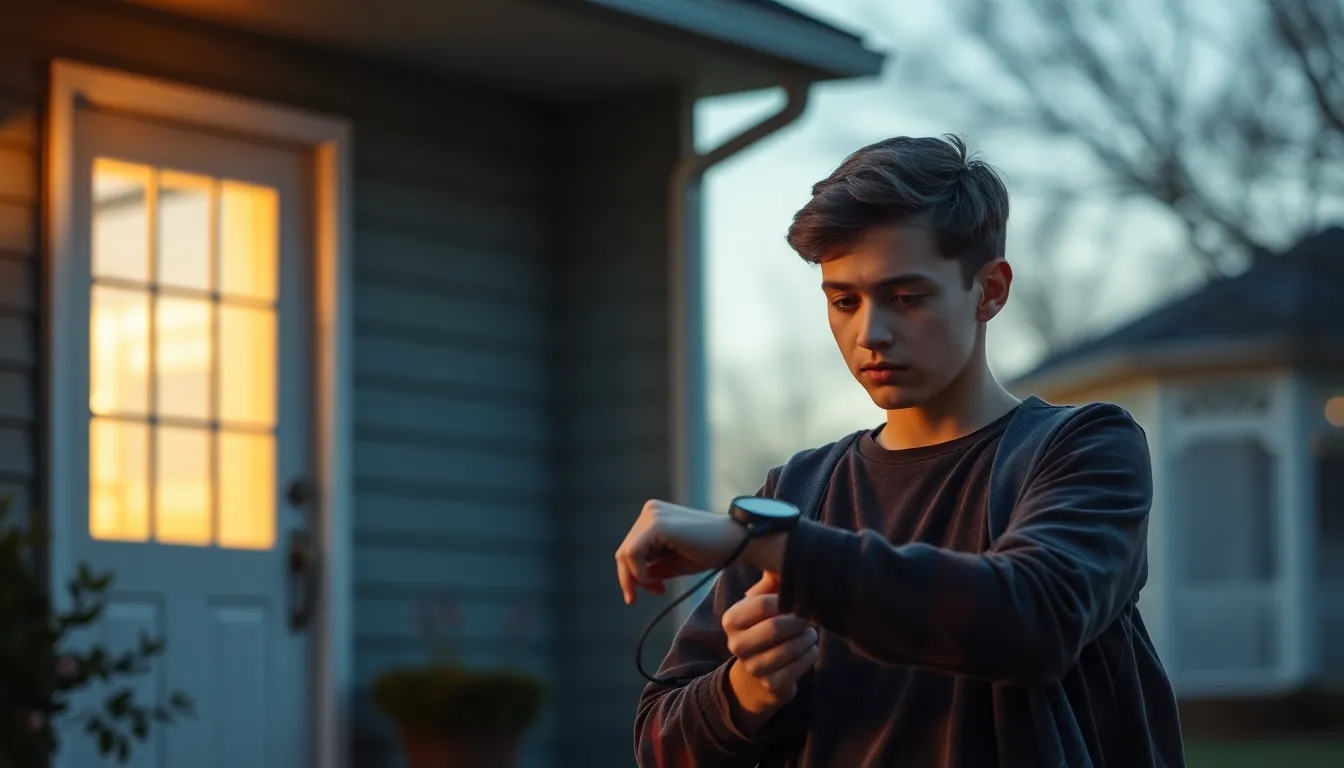
Teen curfews aim to establish guidelines that promote safety and social responsibility among adolescents. By setting limitations on late-night activities, families can address key concerns regarding teen behavior.
Safety Concerns
Safety concerns drive the implementation of teen curfews. Curfews aim to reduce risks associated with late-night outings, including exposure to crime and accidents. Research indicates that crime rates often increase after dark, making nighttime activities more dangerous. A study from the University of Michigan found that adolescents who adhere to curfews report fewer encounters with risky situations. Curfews encourage teens to return home at a reasonable hour, minimizing their vulnerability. Additionally, these time restrictions help parents monitor their children’s whereabouts, leading to enhanced peace of mind.
Social Responsibility
Promoting social responsibility also underpins the rationale for teen curfews. Curfews instill a sense of accountability in teenagers, teaching them to respect rules and boundaries. Establishing a curfew reinforces the understanding that freedom comes with responsibility. It encourages open communication between teens and parents, fostering discussions about appropriate behavior and community standards. Research from the American Psychological Association reveals that teens under structured guidelines, such as curfews, exhibit better decision-making skills. By understanding the social implications of their actions, teens can cultivate positive relationships and contribute to a safer community overall.
Arguments For Teen Curfews
Teen curfews play a significant role in enhancing safety and fostering adolescent responsibility by establishing boundaries for nighttime activities.
Reducing Crime Rates
Curfews contribute to lower crime rates by limiting adolescents’ exposure to potentially dangerous situations. Research from the National Institute of Justice indicates that cities with youth curfews experience decreased juvenile crime during designated hours. Curfews deter teens from engaging in illegal activities, such as drug use or vandalism, as they are less likely to be out late at night when crime typically increases. Parents find reassurance in knowing their teens are safely at home, minimizing their risk of becoming victims or perpetrators of crime.
Promoting Responsibility
Curfews promote responsibility among teenagers by setting clear expectations regarding their behavior. By understanding that there are consequences for breaking curfews, teens learn to manage their time and prioritize commitments effectively. Various studies from educational institutions highlight that teens with curfews demonstrate improved decision-making skills and a sense of accountability. These guidelines help adolescents navigate social situations while instilling respect for authority, ultimately preparing them for adulthood and fostering their development as responsible citizens.
Arguments Against Teen Curfews
Critics argue that teen curfews impose unnecessary restrictions on individual freedom, negatively affecting family dynamics. Various factors contribute to this viewpoint, emphasizing the importance of autonomy and open communication.
Individual Freedom
Individual freedom suffers under strict curfew policies. Teens often express frustration over limitations on their social interactions and personal growth. Restrictions can hinder their ability to make independent choices, reducing opportunities for self-discovery. Empowering teenagers to manage their own time fosters responsibility and maturity. When youths have the freedom to engage with peers without time constraints, they develop essential life skills like decision-making and time management.
Impact on Family Relationships
Strict curfews can strain family relationships, creating tension between parents and teens. Communication deteriorates when curfews lead to feelings of mistrust or resentment. Teens may perceive curfew enforcement as a lack of respect for their judgment, resulting in rebellion or secretive behaviors. Building a foundation of trust through dialogue is essential. Instead of rigid rules, parents might foster collaboration by involving teens in discussions about curfews, thereby promoting mutual understanding and respect. Open conversations can strengthen familial bonds, encouraging a balance between safety and independence.
Navigating the complexities of teen curfews requires a thoughtful approach that balances safety and independence. By fostering open communication between parents and teens, families can establish guidelines that promote mutual respect and understanding. Curfews can serve as effective tools for enhancing accountability while reducing exposure to risky situations.
When implemented with consideration for individual needs and community standards, curfews can contribute to healthier family dynamics and better decision-making skills among adolescents. Ultimately, a collaborative effort to define curfews can lead to a more secure environment that allows teens to grow while still feeling supported.